Longevity training: how to stay healthy, strong and independent for longer
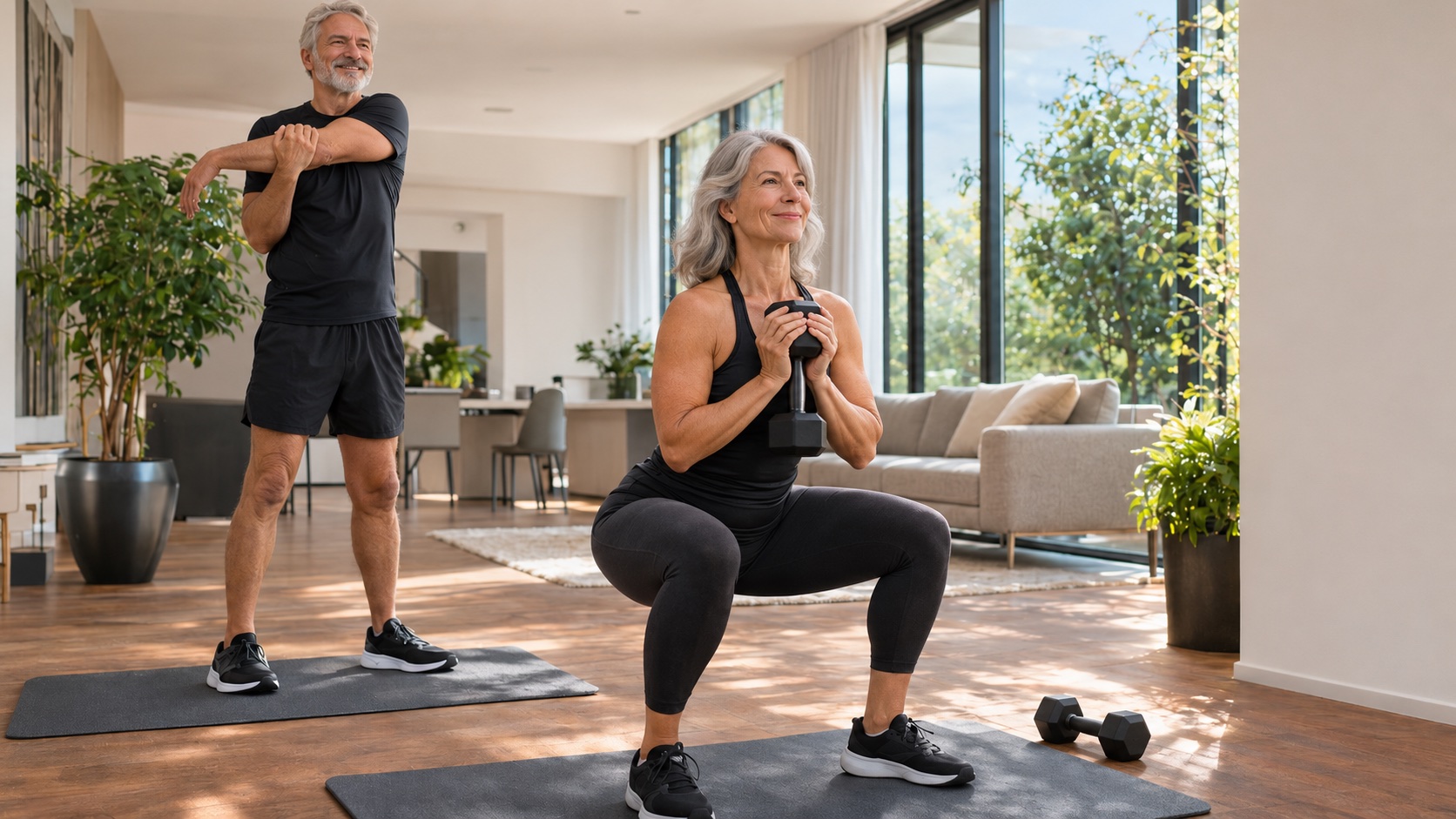
Living longer is nice. Living healthy, strong and independent for longer is the real goal. That is exactly what the topic of Longevity is about. Hardly any health trend is being discussed as much right now, and hardly any is misunderstood as often. Longevity is not a miracle cure, not a pill and not an expensive lab subscription. The most effective lever known to research is surprisingly down-to-earth: regular exercise, especially strength training, good endurance and a mobile, stable body.
In this guide, you will find out what is behind the term, which four pillars make up good Longevity training, what studies say about it and how you can bring it all into your everyday life without long journeys and without opening hours. You will also find out why, for many of our customers, FITVYR® is the point of contact for exactly that: from advice and the right equipment to delivery, service and coaching.
What does Longevity actually mean?
Longevity literally means “long life”. Science distinguishes between two things: lifespan, i.e. how old we get, and healthspan, i.e. how many of those years we spend healthy, active and without severe limitations. For many people, there is a gap of several years between the two, in which illness, pain or a lack of strength dominate everyday life.
A modern understanding of Longevity aims to make this gap as small as possible. It is not about living forever. It is about still being able to lift your grandchildren at 70, carry the crate of drinks down to the cellar yourself at 80 and take the stairs safely at 85. In short: quality of life and independence well into old age.
Many factors play a role here: diet, sleep, social contacts, not smoking, medical check-ups and, of course, genes. Exercise, however, holds a special place on this list. It acts simultaneously on the heart, circulation, metabolism, muscles, bones, balance and mind. And it is the factor that you have most directly in your own hands.
Why exercise is the strongest Longevity lever
The World Health Organization (WHO) recommends that adults of all ages do 150 to 300 minutes of moderate endurance activity or 75 to 150 minutes of vigorous activity per week. On top of this come muscle-strengthening exercises for all major muscle groups on at least two days a week. For people aged 65 and over, the WHO additionally recommends varied training combining strength and balance on at least three days a week, to maintain functional capacity in everyday life and prevent falls.
The data behind these recommendations is clear. A large analysis in the British Journal of Sports Medicine (Momma et al., 2022) summarised numerous large long-term studies. The result: people who did 30 to 60 minutes of muscle-strengthening training per week had an approximately 10 to 20 per cent lower risk of dying early and a lower risk of cardiovascular disease and cancer. So even half an hour to an hour of strength training per week was associated with a measurable benefit.
The picture is similarly clear for endurance. In a study of over 120,000 patients who completed an exercise ECG on a treadmill (Mandsager et al., JAMA Network Open, 2018), higher cardiorespiratory fitness was clearly associated with lower mortality, with no apparent upper limit. Those who were fitter lived longer on average.
An honest assessment is important here: such studies show associations. They do not promise anyone a particular lifespan. But they show very consistently that active, strong people with good endurance have more healthy years on average.
The four pillars of Longevity training
Good Longevity training is not a special programme for competitive athletes. It consists of four building blocks that complement each other. If you work on all four regularly, you train your body the way you really need it in everyday life and in old age.
Pillar 1: strength and muscle mass
Muscles are much more than an engine for movement. They are one of the body’s largest metabolic organs: a large proportion of blood sugar is absorbed by the muscles after eating. They protect joints, stabilise the spine, provide stimuli for strong bones and are the basis of every everyday movement, from getting up out of an armchair to carrying the shopping.
The problem: from around the age of 30, untrained people lose 3 to 8 per cent of their muscle mass per decade according to common estimates, and from 60 it often happens even faster. Strength usually declines even more than mass. The international PURE study (Leong et al., The Lancet, 2015) with almost 140,000 participants shows how important strength is: every 5 kilograms less grip strength was associated with a 16 per cent higher risk of death. Grip strength is therefore considered a simple indicator of overall physical condition.
The good news: muscles respond to training at any age. You can read more about how to specifically counteract age-related muscle loss in our detailed guide Muscle loss in old age: what really helps.
Pillar 2: endurance and cardiovascular fitness
The second pillar is an efficient cardiovascular system. Experts speak of maximum oxygen uptake, or VO2max for short. It describes how much oxygen your body can use under full exertion, and it declines with age if you do nothing about it.
For Longevity, a simple mix has proven effective:
- Plenty of easy endurance: brisk walking, uphill walking on the treadmill, relaxed cycling. The rule of thumb: you start to sweat but can still talk in full sentences. Many Longevity approaches call this “Zone 2 training”.
- Short, intense sections now and then: for example four to six intervals of one to four minutes in which you breathe noticeably faster. This provides a strong stimulus for VO2max, but should only come after building a solid base and, if you have pre-existing conditions, after consulting your doctor.
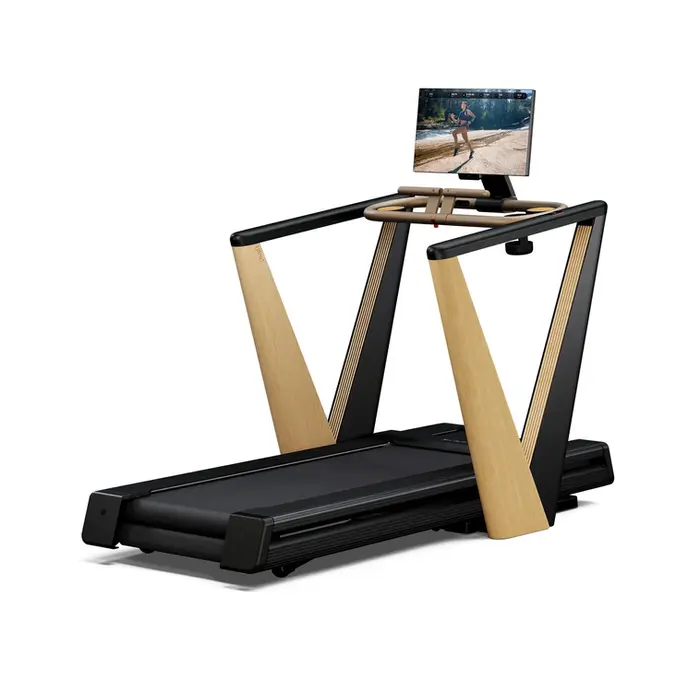
Walking on an incline in particular is ideal for many people: it is easy on the joints, easy to dose and still has an intense effect on the heart and leg muscles. A high-quality treadmill with an incline function makes this possible in any weather.
Pillar 3: mobility, stability and balance
What good is a lot of strength if your back is stiff or your balance is declining? Falls are among the most common causes of injury in older age worldwide, and a fall often marks the beginning of a downward spiral of avoiding exertion, muscle loss and insecurity.
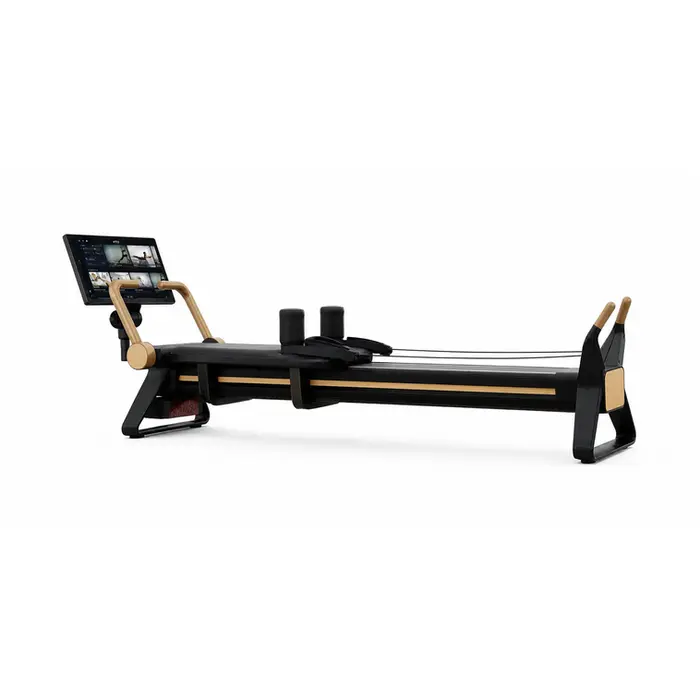
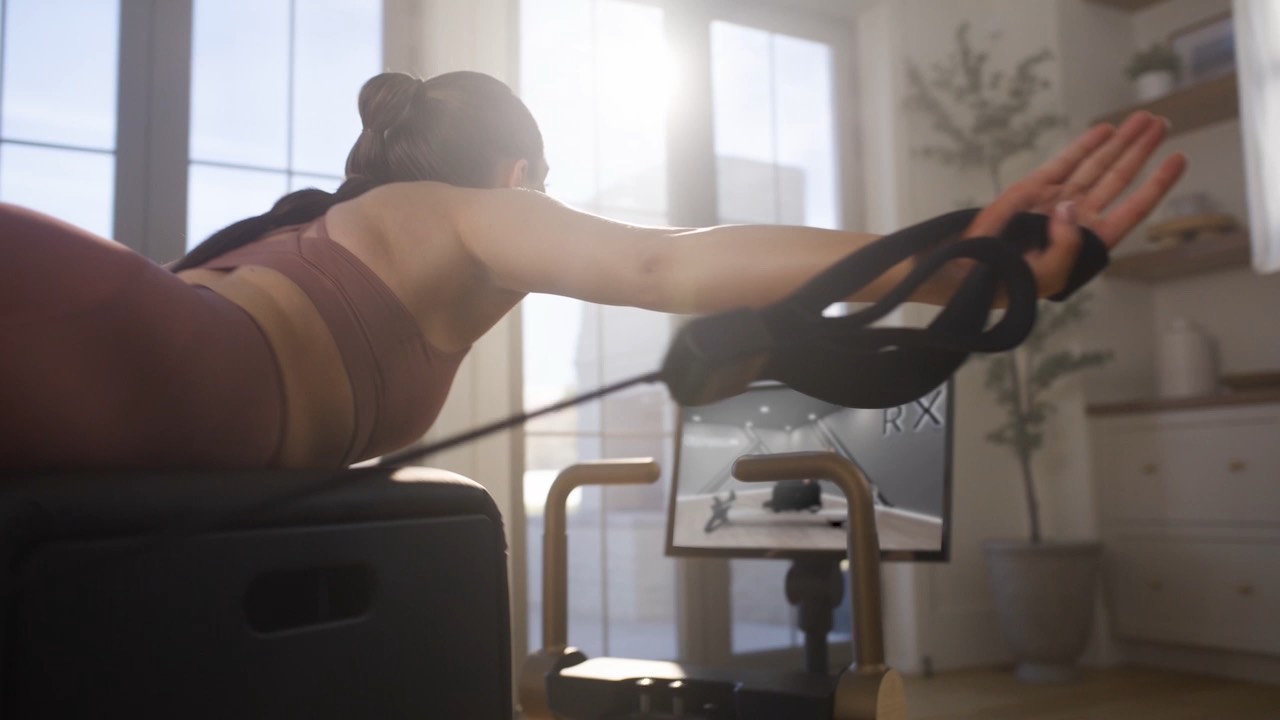
Mobility and stability can be trained specifically. Pilates has proven particularly effective: the exercises strengthen the deep core muscles, improve posture and body awareness and promote mobility of the spine. On the Pilates reformer, springs support or resist the movement, so that each exercise can be finely adjusted to your level. Add to this simple balance exercises such as standing on one leg while brushing your teeth or walking slowly along a line.
Pillar 4: measuring, recovery and sticking with it
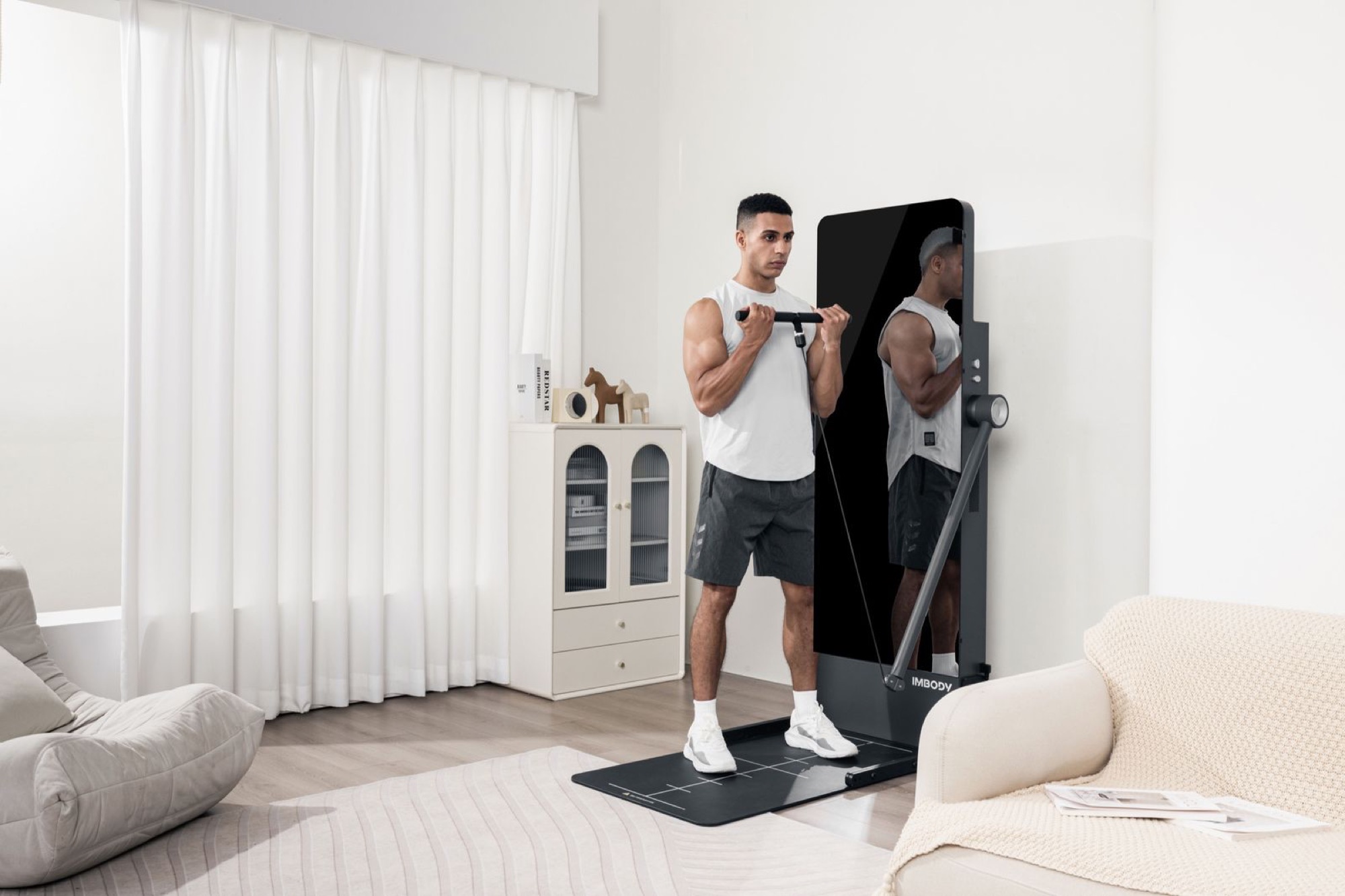
The fourth pillar is often forgotten: making progress visible and recovering enough. If you see that your grip strength is increasing, your muscle mass is growing or your pulse is dropping at the same pace, you stay motivated. Modern smart home gyms automatically save weights, repetitions and training histories. A 3D body scanner such as the VISBODY M60 makes body composition visible, for example muscle and fat percentages and body circumferences, and shows changes over time.
Recovery is just as important. Muscles do not grow during training, but during the recovery afterwards. Sufficient sleep, enough protein and at least one rest day between two hard strength sessions for the same muscle group are therefore a fixed part of the plan.
Consistency beats intensity: why training at home works so well
The best training plan is the one you can keep up for years. This is exactly where many good intentions fail: getting to the gym takes time, the opening hours do not fit, in winter it is dark and wet, and after a long working day the hurdle is simply too high.
A home gym lowers this hurdle to just a few steps. Twenty minutes of strength training before breakfast, half an hour of uphill walking during your favourite series, ten minutes of mobility in the evening: this is how many small sessions add up to exactly the regularity that matters in Longevity training.
Modern smart home gyms bring advantages that classic equipment does not have:
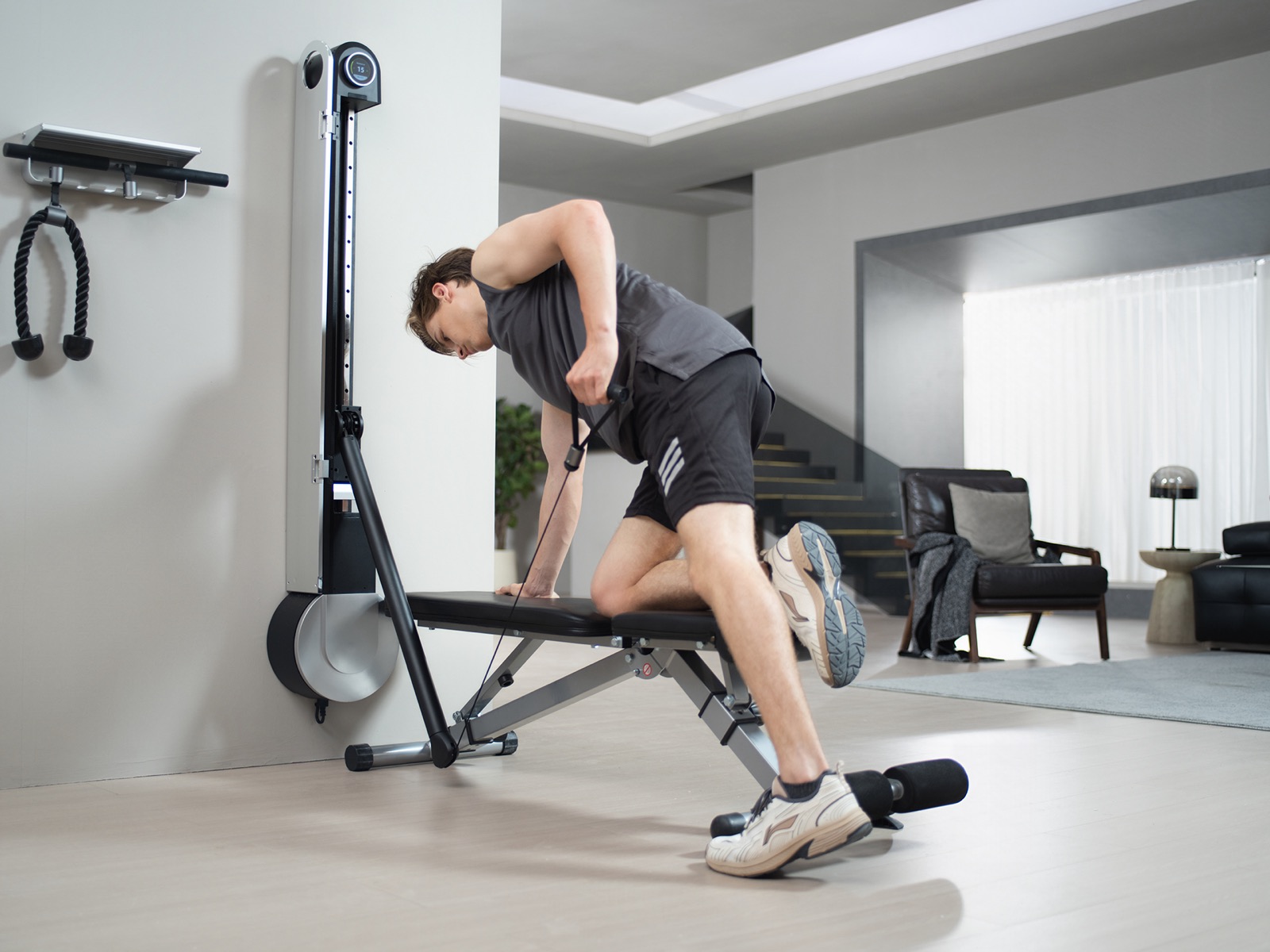
- Digital resistance in fine increments: instead of heavy weight plates, a motor generates the resistance. On the SPlan Model Y by MIROXX, for example, it can be set from 0.5 to 100 kilograms in 100-gram increments. This is ideal for beginners and for a gentle progression.
- Special training modes: on the IMBODY Power S, for example, you can use the “Eccentric” mode to increase the weight by up to 40 per cent when lowering. This eccentric phase is considered a particularly effective stimulus for strength and muscles.
- Guided programmes and classes: you do not have to put together a plan yourself. Exercises are guided, weights are suggested and progress is saved.
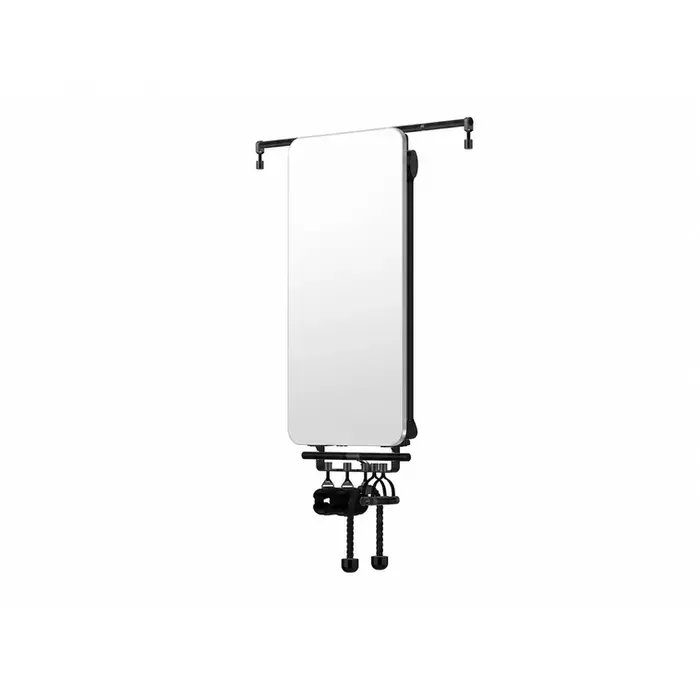
- Little space: many machines hang on the wall and, when folded, need hardly more space than a mirror.
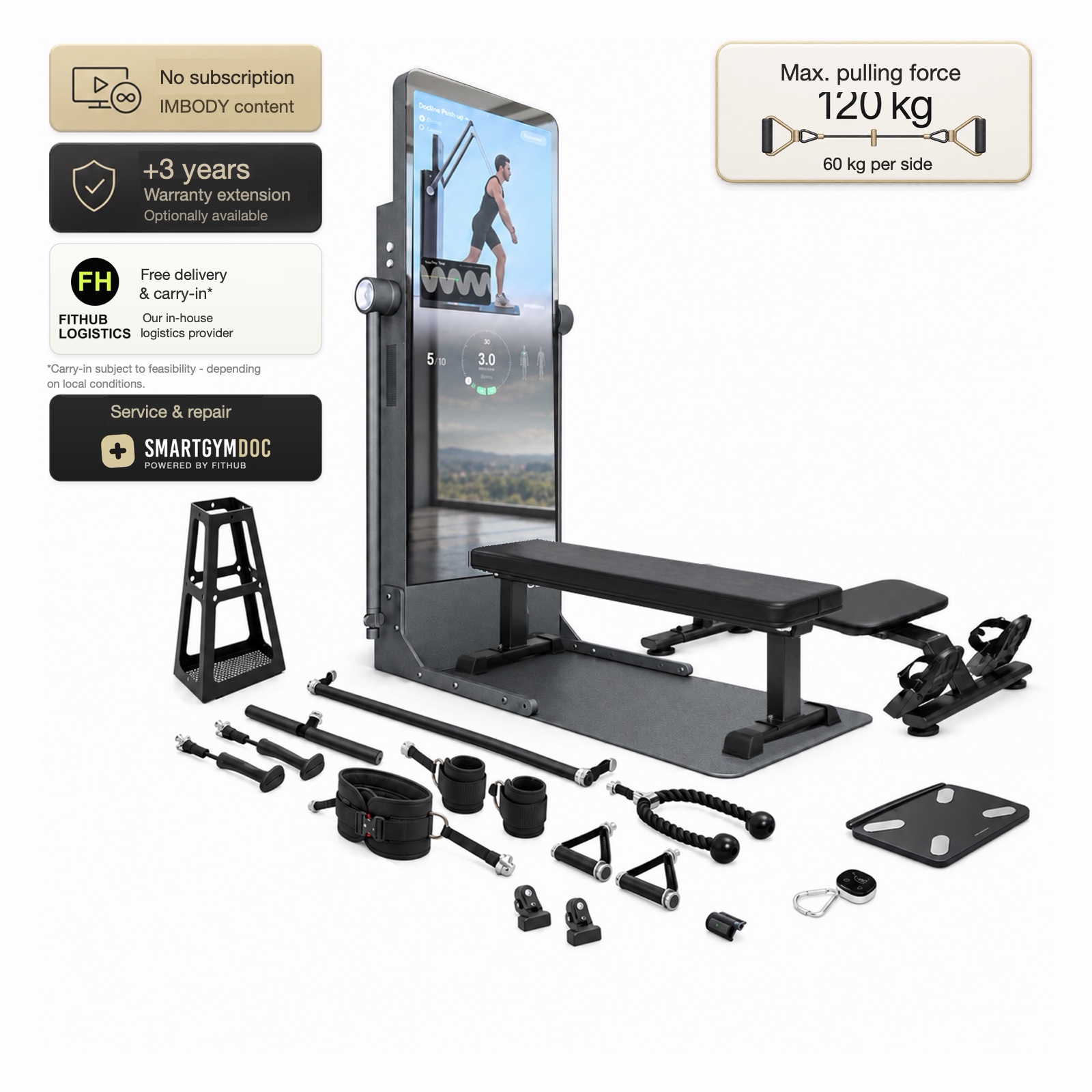 IMBODYIMBODY Power Sfrom €4,299 incl. VAT
 SPlanSPlan Model Y by MIROXX€9,499 incl. VAT
FITVYR® as your point of contact for Longevity
Longevity is a long-term project. That is why it is not enough to buy just any piece of equipment. What matters is that training, equipment, space and everyday life fit together and that you are well looked after for years. That is exactly why we built FITVYR®.
Equipment for all four pillars from a single source
- Strength: smart home gyms such as the IMBODY Power S, the SPlan Model I by MIROXX, the SPlan Model Y by MIROXX and the ASITA Hunter. They replace a whole range of classic strength machines and also fit into smaller rooms.
- Endurance: treadmills, bikes and other cardio equipment from NordicTrack and Freemotion, such as the NordicTrack Ultra 1 Treadmill with incline function.
- Mobility and stability: Pilates reformers such as the NordicTrack Ultra 1 Reformer for calm, joint-friendly full-body training.
- Measuring: the 3D body scanner VISBODY M60, which captures body composition in just a few moments and sends it to your phone as a report.
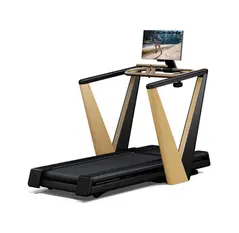 NordicTrackNordicTrack Ultra 1 Treadmill€16,000 incl. VAT
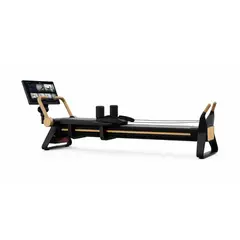 NordicTrackNordicTrack Ultra 1 Reformer€7,990 incl. VAT
Advice that fits your life
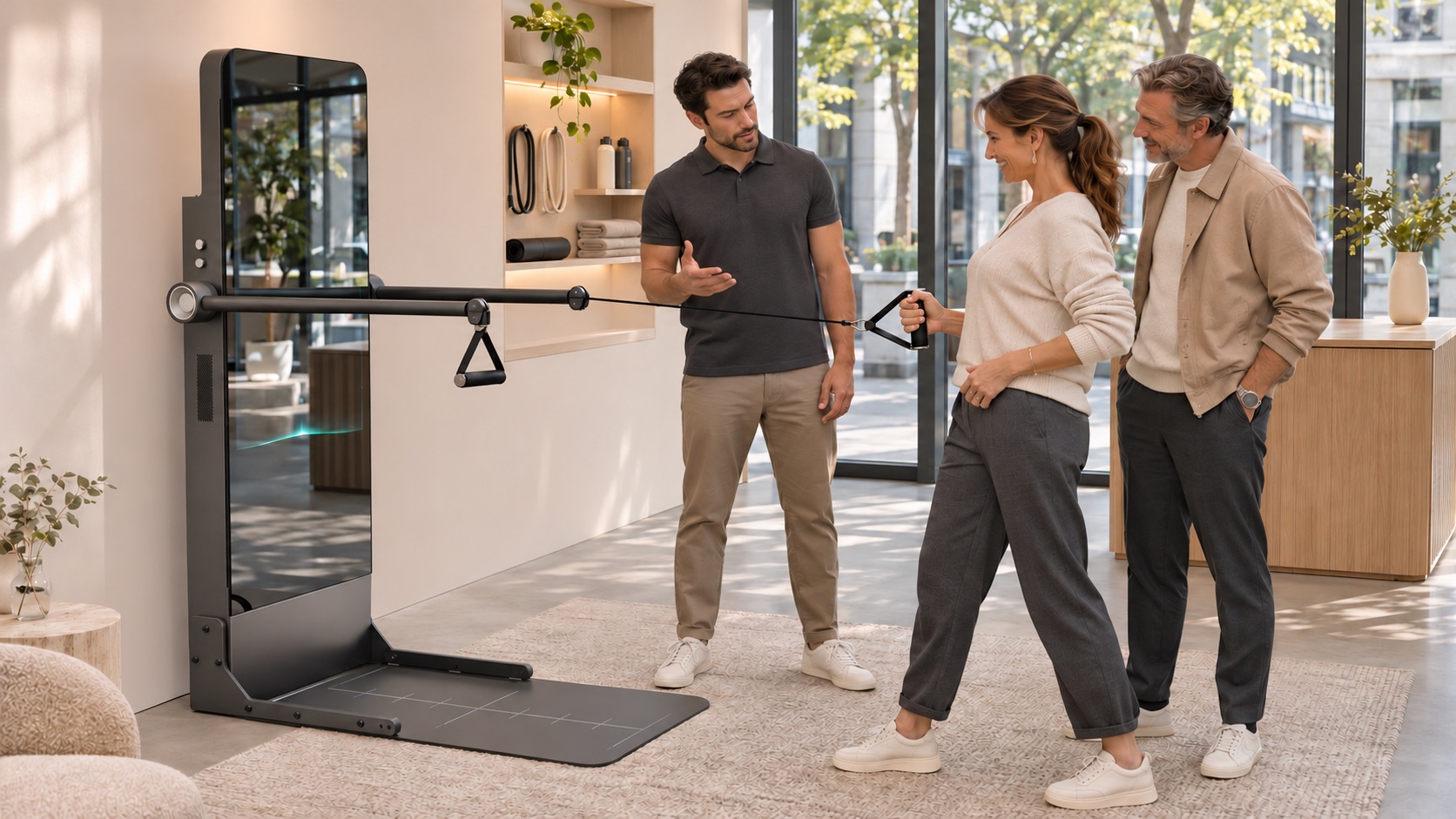
Which combination makes sense for you depends on your goals, your space and your starting point. That is why we advise you personally: in a live consultation by video or on site in one of our showrooms, where you can, for example, try out the IMBODY Power S for yourself. With our 3D room planner, you can also see in advance how a machine will look in your room and how much space it needs.
Delivery, service and coaching
We deliver large equipment through our own logistics division, FITHUB Logistics, with assembly on request for many machines. Our service division SmartGymDoc takes care of service and spare parts. And with the FITVYR® Coach app, you get feedback on your technique while you train, so that every repetition is clean and safe. This gives you a single point of contact for your Longevity training, instead of wearing yourself out between retailer, freight forwarder and manufacturer hotline.
A Longevity weekly plan for getting started
The following plan is an example for healthy adults who are new to training or starting again. Adjust the volume and intensity to your level. If you have pre-existing conditions, have not trained for a long time or are unsure, talk to your doctor first.
| Day | Session | Duration |
|---|---|---|
| Monday | Full-body strength training (6 to 8 exercises, 2 sets each) | 30–40 min |
| Tuesday | Easy endurance, e.g. walking on an incline | 30–45 min |
| Wednesday | Pilates or mobility, plus balance exercises | 20–30 min |
| Thursday | Full-body strength training | 30–40 min |
| Friday | Easy endurance, after a few weeks with short intervals | 30–40 min |
| Saturday | Strength training or Pilates, depending on recovery | 30 min |
| Sunday | Active recovery: walk, bike ride, stretching | flexible |
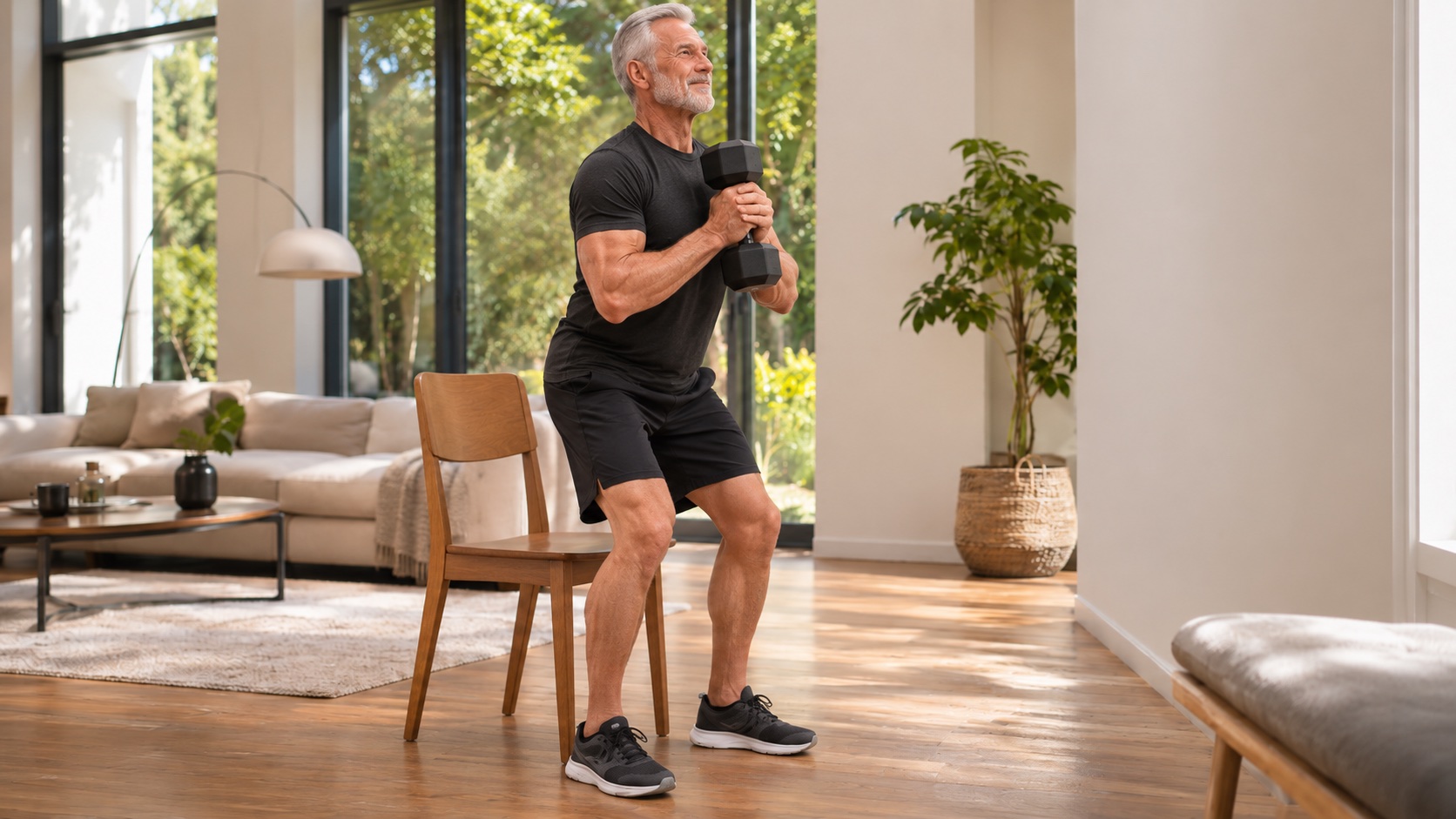
Compound exercises that involve several joints and large muscle groups are well suited to strength training: squats (onto a chair to begin with, if you like), rows, chest presses, shoulder presses, hip raises, lunges and exercises for the core and grip strength. Choose the weight so that you can manage 8 to 12 clean repetitions and the last two feel noticeably hard. If that becomes easy, increase it gradually. This is exactly where digital resistance with fine increments helps.
The most common mistakes in Longevity training
- Only endurance, no strength training: walking and cycling are valuable, but they are not enough to maintain muscle mass and strength in old age.
- Too much too soon: if you train hard straight away after years off, you risk overload and frustration. Increase over weeks and months, not days.
- Poor technique: better to use less weight and a controlled movement. Feedback on your technique, for example from a coach or an app, makes training safer.
- No plan for recovery: sleep, protein and rest days are part of training.
- Irregularity: three weeks flat out followed by two months off achieves little. Short, regular sessions achieve more.
- Not measuring anything: Without visible progress, motivation drops. Write down or save weights, repetitions and simple tests.
Three simple tests for your longevity fitness
These tests need hardly any equipment and give a good picture of where you stand. Repeat them every three months under the same conditions.
- Chair stand test: How long does it take you to stand up from a chair five times in a row without using your arms? European experts regard more than 15 seconds as an indication of too little leg strength.
- Single-leg stand: How long can you stand on one leg without holding on to anything? Test both sides and stay close to a wall for safety.
- Walking pace and stairs: How do two flights of stairs feel when you climb them briskly? If you are less short of breath after a few weeks of training, that is a good sign for your endurance.
If you want to know more precisely, you can also measure your grip strength with a hand dynamometer or have your body composition recorded with a 3D body scanner.
Frequently asked questions about longevity training
From what age is Longevity training worthwhile?
At any age. The earlier you start, the bigger the reserve of muscle and fitness you take with you into old age. But even if you start at 60, 70 or later, you can significantly improve your strength, endurance and mobility.
How much time do I need per week?
Just two strength sessions of 30 minutes each and around 150 minutes of easy endurance exercise per week cover the WHO recommendations. Many people split this into short sessions that are easy to fit into everyday life.
Isn’t strength training dangerous in old age?
When properly dosed and performed with clean technique, strength training is considered safe and is one of the most effective measures for an independent life in old age. What matters is a gentle start, controlled movements and, if you have pre-existing conditions, consulting your doctor.
Do I need a gym for this?
No. With a smart home gym, a treadmill or a reformer, you can train all four pillars at home, at any time of day and without travelling. This convenience in particular helps many people stick with it in the long term.
Which equipment suits me?
That depends on your goals, your room and your budget. If you mainly want to build and maintain muscle, a smart home gym is the best start. For heart and circulation, a treadmill with incline is ideal; for mobility and posture, a Pilates reformer. In a free live consultation, we will find the right solution together.
Conclusion: longevity starts today, not at some point in the future
Longevity is not a trend you buy, but a habit you build. Strength, endurance, mobility and a watchful eye on recovery and progress: if you train these four pillars regularly, you are investing in the most valuable resource of all – many healthy and self-determined years.
The easiest way to get there is training that is only ever a few steps away. If you would like to know which machine suits you and your home, we will be happy to advise you personally: in a live consultation, in one of our showrooms or via our 3D room planner. We support you from your first question through to delivery and beyond.
Note: This article is for general information only and does not replace medical advice. Please talk to your doctor before you start training if you have pre-existing conditions, take medication or have not trained for a long time.
Sources: WHO Guidelines on Physical Activity and Sedentary Behaviour (2020); Momma H. et al., Muscle-strengthening activities are associated with lower risk and mortality in major non-communicable diseases, British Journal of Sports Medicine (2022); Mandsager K. et al., Association of Cardiorespiratory Fitness With Long-term Mortality, JAMA Network Open (2018); Leong D. P. et al., Prognostic value of grip strength (PURE study), The Lancet (2015); Cruz-Jentoft A. J. et al., Sarcopenia: revised European consensus (EWGSOP2), Age and Ageing (2019); Volpi E. et al., Muscle tissue changes with aging, Current Opinion in Clinical Nutrition and Metabolic Care (2004).